Mailing Address

10795 Oral Zumwalt Way
Missoula MT 59803
(Mail only-no office space)

Phone

406.543.5444


Fax

406.543.5447


Your Hippocampus

Featured Articles

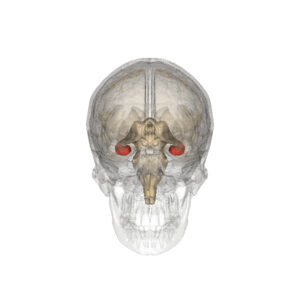
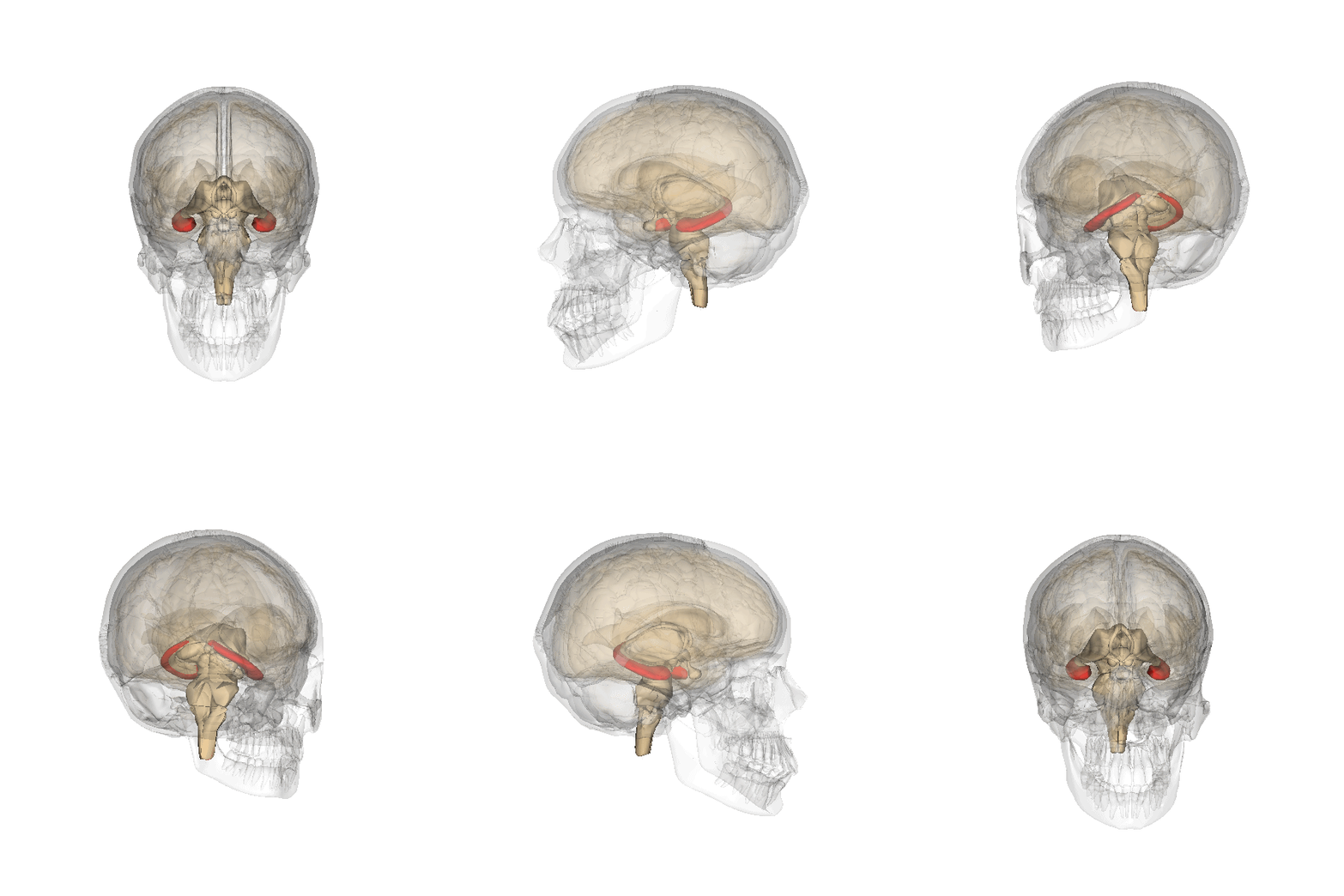
The hippocampus is the brain structure most significantly and earliest affected by Alzheimer’s dementia, as it’s crucial for forming new memories, explaining why memory loss is the first symptom, with damage spreading from this area to other parts of the brain over time. Nestled deep inside the brain’s medial-temporal lobe lies the seahorse-shaped structure known as the hippocampus (from the Greek hippo = horse + kampos = sea monster). Though small—roughly the size of a finger—it plays outsized roles in learning, memory, navigation, and emotional regulation.

At a basic level:

  • The hippocampus helps form new memories (turning short-term experiences into long-term memory).

  • It supports spatial navigation, helping you remember routes and places.

  • It helps the brain predict and plan by linking memories with future outcomes.

Without a well-functioning hippocampus, it’s difficult to remember new information or accurately recall where important things happened.

Why We Need to Protect the Hippocampus

 The hippocampus is sensitive—and vulnerable—because it’s metabolically demanding and deeply tied into systems that deteriorate with age and disease.

Here’s why protection matters:

  • Memory & learning decline with hippocampal damage.

  • It’s one of the first regions affected in Alzheimer’s and other dementias.

  • Chronic stress, high blood sugar, and inflammation can impair its circuitry.

In people with conditions like type-2 diabetes, chronic high glucose levels are associated with reduced hippocampal connectivity and impaired neurogenesis (the birth of new neurons), which may accelerate cognitive decline. 

Glucose and the Hippocampus: A Delicate Balance

Glucose – Fuel for Thinking

The brain uses glucose as its primary fuel, and the hippocampus is especially energy-hungry. When neurons fire during learning and memory tasks, they burn glucose rapidly. In fact, cognitive activity itself can deplete local glucose levels in the hippocampus. 

Too Much Can Be Harmful

High glucose (hyperglycemia) can cause oxidative stress and mitochondrial dysfunction in hippocampal neurons, potentially contributing to cognitive and mood impairments. 

Sugar and Eating Behavior

Interestingly, certain neurons in the hippocampus encode memories linked to specific nutrients like sugar and fat. These “food memories” can drive future eating behavior and may even contribute to overeating or obesity. 

Recent, Exciting Research Findings

Here’s a snapshot of some of the new frontiers in hippocampal research:

1. Hidden Cellular Layers Discovered

Scientists recently identified previously unknown cellular layers in the hippocampal CA1 region, revealing more complexity in how this memory center is organized. This deeper cellular map could lead to better understanding of memory formation and disease processes. 

2. Hippocampus and Eating Choices

Separate groups of hippocampal neurons help encode spatial memories specific to sugar vs. fat locations, influencing not only memory but dietary decisions themselves.

3. Pancreas–Hippocampus Circuits and Mood

Emerging studies suggest a two-way circuit between the pancreas and hippocampus that influences daily rhythms of mood and depression-linked behaviors, potentially tying metabolic health to mental health in new ways. 

4. Type-2 Diabetes and Hippocampal Function

Diabetes doesn’t just affect blood sugar—it can disrupt the rhythm and connectivity of hippocampal neurons, slowing oscillations and weakening memory networks. 

Protecting Your Hippocampus: What We Understand So Far

While research is evolving, several lifestyle and metabolic factors appear important for hippocampal health:

✔️ Maintain Stable Blood Sugar

Avoiding chronic spikes and crashes in blood glucose may support hippocampal function and long-term memory capacity. Consider using continous glucose monitoring intermittently to check in on how stable your blood glucose is over time.

✔️ Stay Mentally and Physically Active

Neurogenesis in parts of the hippocampus can continue into adulthood, and activities that challenge the brain (learning, exercise) are believed to support this process. Exercise increases Brain Derived Neuropathic Factor (BDNF) that works like fertilizer for neurons in the brain and helps to maintain barin plasticity!

✔️ Manage Stress

Chronic stress can impair hippocampal structure and function, so stress-reduction practices may protect memory-related circuits. Consider meditation or adding mindfulness practices in to your day. These practices can increase the hippocampal density, strengthen the pre-frontal cortex and reduce cortisol.

✔️ Individualized Nutrition

Eating patterns that support steady glucose availability and reduce inflammation are linked with better cognitive health. Put some thought into your nutritional plan. Consider exploring the Nourish program or other resources to learn about inflammatory triggers in the diet and how to discover the right way for you (with your unique metabolism, genetics and preferences) to eat. Not a ‘diet’, but a bespoke eating plan!

Conclusion

The hippocampus is more than just a “memory bank”—it’s a dynamic hub where metabolism, emotion, memory, and even eating behavior intersect. Glucose isn’t just brain fuel; it’s a key modulator of how this region functions, for better or worse. Emerging research continues to uncover surprising links between metabolic health and memory circuits, deepening our understanding of why protecting the hippocampus is essential for lifelong cognitive vitality.